
Maximising Space: Smart Architectural Design Solutions for Small Homes


A smaller footprint does not have to mean compromising on how you live. With the right architectural design approach, even the most compact home can feel spacious, light-filled, and beautifully functional. The key is not simply adding square footage, it is about understanding how space is used, how light moves through a home, and how clever design decisions can transform the way a property feels from the inside.
At Karenna Wilford Architects, we specialise in unlocking the hidden potential of small homes. Here are some of the smart design solutions we draw on to help our clients get the very most from their space.
Open-Plan Living
One of the most effective ways to make a small home feel significantly larger is to remove internal walls and create open-plan spaces. Combining a kitchen, dining area, and living room into a single flowing space not only improves the sense of volume but also improves connectivity between the areas where family life happens. Natural light can travel further through the home, and the result feels both generous and practical.

We carefully consider which walls are structural and which can be removed, often working with a structural engineer to introduce steel beams that open up the ground floor entirely. The result is a home that feels considerably larger than its footprint would suggest.
Rear and Side Extensions
A well-designed rear or side extension remains one of the most popular and effective ways to add meaningful space to a small home. Even a modest extension of a few square metres can transform a cramped kitchen into a generous kitchen-diner, or create a dedicated home office or playroom. The key is ensuring the extension is designed to feel like a natural and considered part of the original home, not an afterthought.
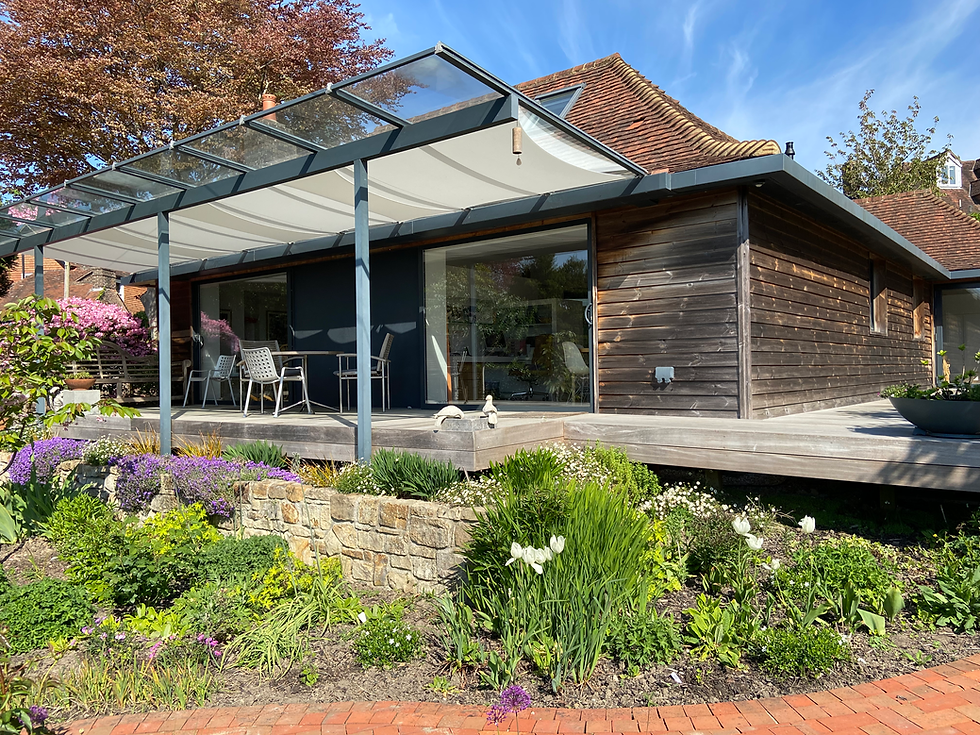
Many single-storey rear extensions fall within permitted development rights, meaning planning permission may not be required. We advise all our clients on the planning position from the outset so there are no surprises, and we design extensions that make the most of the available building envelope.
Maximising Natural Light
Light is one of the most powerful tools in an architect's kit. A dark room always feels smaller than it is, while a well-lit space feels open and inviting regardless of its actual dimensions. Introducing roof-lights, skylights, or large sliding and bifold doors to the rear of a property can flood a previously dim ground floor with natural light, completely changing the character of the space.

We also use internal glazing, glass partition walls and glazed doors, to allow light to move between spaces without sacrificing privacy or acoustic separation. Carefully positioned mirrors and pale, reflective finishes can further enhance the sense of light and space throughout a home.
Smart Storage and Built-In Design
Clutter is the enemy of space. In a small home, every square metre counts, which means storage must be considered as an integral part of the design from the outset rather than retrofitted at the end. Well-designed built-in storage — beneath stairs, within eaves, or fitted seamlessly into alcoves which can absorb a remarkable amount of everyday life while keeping living spaces calm and uncluttered.

We design storage to work with the architecture of the home rather than against it. That might mean a run of bespoke cupboards fitted to a sloping ceiling in a loft conversion, or a utility room cleverly carved out of a previously underused corner.
Loft Conversions and Vertical Space
Many homeowners overlook the space that already exists above their heads. A loft conversion is one of the most cost-effective ways to add a bedroom, bathroom, or home office to a small property without increasing its footprint. With careful design, a loft can be transformed into a beautifully proportioned and light-filled room that becomes one of the most loved spaces in the home.

We assess the structural feasibility of loft conversions early in the design process and advise on the most appropriate form, whether a simple roof light conversion, a dormer, or a hip-to-gable extension to maximise usable floor area. Many loft conversions also fall within permitted development, removing the need for full planning permission.
Pocket Doors and Space-Saving Details
The details matter enormously in a small home. A conventional door swing can eat into usable floor space in a way that seems minor on a drawing but feels significant in reality. Pocket doors, which slide into the wall rather than swinging open, are one of the most effective space-saving devices available, allowing rooms to flow into one another seamlessly while maintaining the option for privacy when needed.
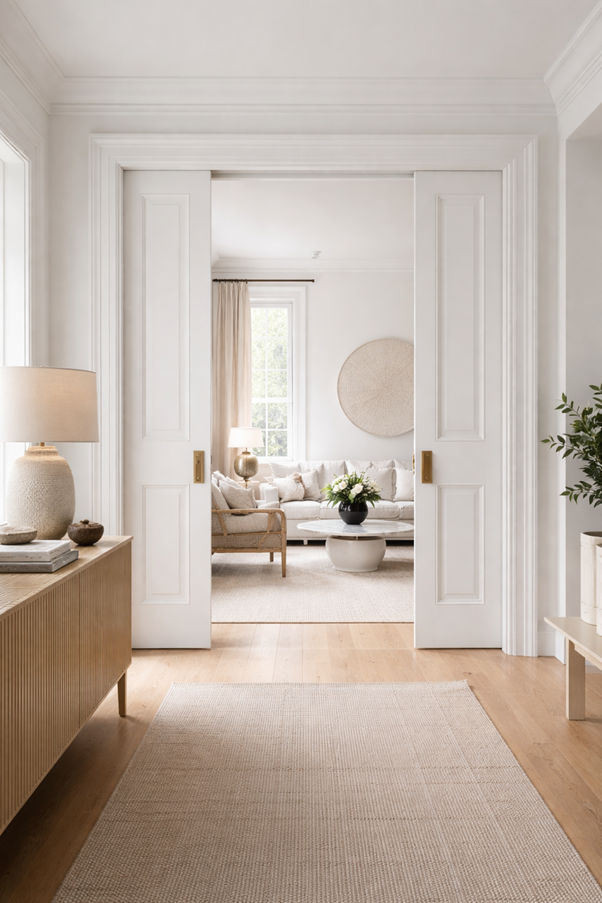
Similarly, carefully considered details such as flush skirting, concealed joinery, and continuous flooring throughout connected spaces all contribute to a sense of cohesion and calm that makes a small home feel far larger than its square footage suggests. These refinements are exactly where a skilled architect adds value.
Ready to unlock the full potential of your home? Contact Karenna Wilford Architects to discuss how we can help you maximise space in your home through thoughtful, expert architectural design.


Comments