
What Makes a Home Feel Expensive? (It Isn't What Most People Think)
- Karenna Wilford

- 6 days ago
- 3 min read
When people think of luxury homes, they often picture marble surfaces, designer furniture and premium finishes. While these elements can certainly contribute to a home's appeal, they are rarely the reason a space feels truly special.
The homes that feel elegant, calm and effortlessly sophisticated are often defined by something less obvious. Good proportions, natural light, thoughtful detailing and a strong sense of cohesion create a quality that money alone cannot buy.
At Karenna Wilford Architects, we believe luxury comes from thoughtful design rather than excess.
1. Proportion Is Everything
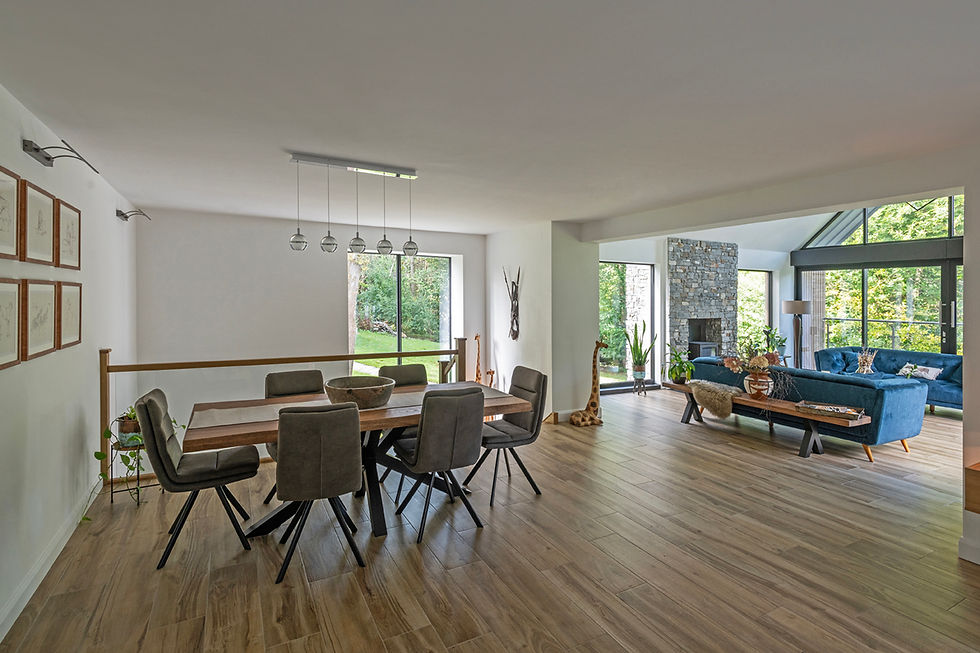
One of the defining characteristics of high-end architecture is proportion.
The relationship between ceiling heights, window sizes, room dimensions and architectural features has a huge impact on how a space feels. Well-proportioned rooms tend to feel calm, balanced and comfortable, even when they are relatively simple.
This is why some modest homes feel far more luxurious than larger properties with awkward layouts or inconsistent dimensions.
Good proportion creates a sense of harmony that people notice instinctively, even if they cannot explain why.

2. Natural Light Creates Instant Luxury
Few design features transform a home as effectively as natural light.
Bright, well-lit spaces feel more open, welcoming and expensive. However, luxury is not simply about adding larger windows. It is about understanding orientation, framing views and allowing daylight to move naturally through a home.
Thoughtfully positioned glazing, rooflights and internal openings can dramatically improve how a property feels without significantly increasing costs.
Light brings depth, atmosphere and a connection to the outdoors that no decorative feature can replicate.

3. Consistency of Materials
Luxury homes often share a sense of cohesion. Rather than introducing numerous competing finishes, successful designs typically use a carefully selected palette of materials that work together throughout the property.
This does not mean everything has to match. Instead, materials should complement one another and create a clear design language that runs throughout the home.
Timber, stone, metal and plaster finishes can all work beautifully together when chosen thoughtfully.

4. Bespoke Details Make the Difference
Many of the details that make a home feel expensive are subtle.
Examples include:
Flush skirting details
Concealed storage
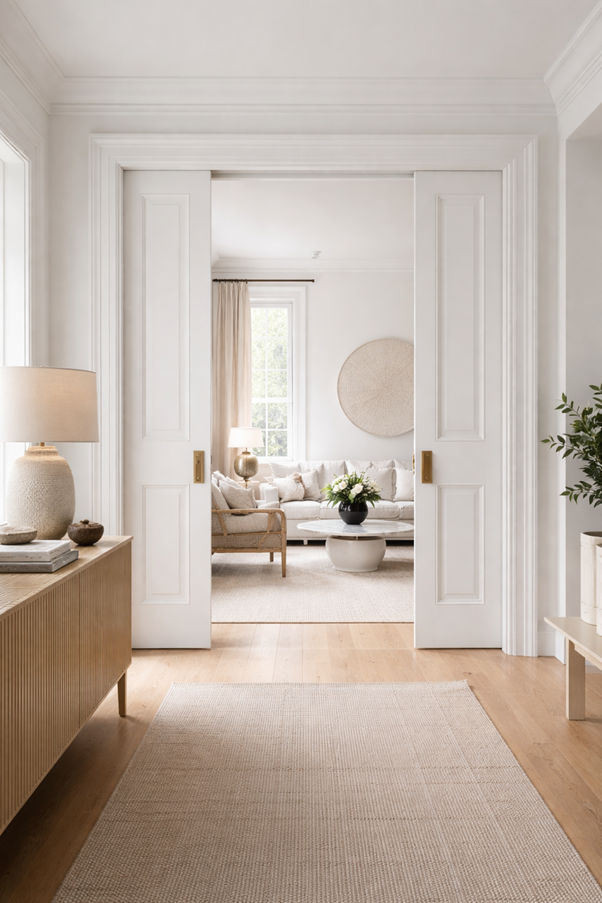
Pocket doors
Bespoke joinery
Integrated lighting
Carefully designed staircases
These features are often not the first things visitors notice, but they contribute significantly to the overall experience of a space. Attention to detail demonstrates care, craftsmanship and quality.
5. Clutter-Free Spaces Feel More Sophisticated
Luxury is often associated with simplicity. One reason high-end homes feel so appealing is that they tend to be visually calm. Thoughtfully integrated storage allows everyday items to disappear from view, creating cleaner and more relaxing environments.
This does not require a minimalist lifestyle. It simply requires designing storage solutions into the architecture from the beginning. When everything has a place, rooms feel larger, more organised and more enjoyable to use.

6. Quality Over Quantity
A common misconception is that luxury means adding more.
In reality, successful architectural design often focuses on doing fewer things better. A single beautifully designed feature can have far more impact than multiple competing elements.
Whether it is a statement staircase, a carefully framed garden view or a perfectly detailed kitchen, quality tends to create a stronger impression than quantity.
Thoughtful restraint often feels more sophisticated than excess.

Luxury Begins With Good Design
The homes that feel expensive are rarely defined by cost alone. Instead, they are shaped by proportion, light, materials, craftsmanship and careful attention to detail. These architectural principles create spaces that feel calm, elegant and timeless, regardless of budget.
At Karenna Wilford Architects, we focus on the elements that truly matter, designing homes that feel exceptional not because they are extravagant, but because they are thoughtfully considered.
Looking to Elevate Your Home?
Whether you are planning a renovation, extension or new build, thoughtful architectural design can transform how your home looks, feels and functions.
Contact Karenna Wilford Architects today to arrange an initial consultation and discover how good design can bring lasting value, beauty and quality to your home.


Comments