
From Concept to Completion: The Architectural Design Process Explained


Thinking about a new build, extension, or renovation? Understanding the architectural design process can help you feel confident at every stage. Whether you are embarking on a modest home improvement or a significant new build, the journey from initial idea to completed project follows a clear sequence of carefully considered steps.
At Karenna Wilford Architects, we guide our clients from the very first conversation through to the moment they step into their completed home. Here is what that journey looks like.
Stage 1: Initial Consultation and Brief
Every successful architectural project begins with a conversation. During the initial consultation, we take time to listen carefully to your vision, your practical needs, and your aspirations for the finished space. We will visit your site, assess any opportunities or constraints, and begin to build a thorough understanding of what you want to achieve.

This stage establishes the project brief — a document that captures your priorities, budget considerations, and timeline expectations. A well-crafted brief is the foundation of every successful design and helps ensure that everyone is aligned from the outset.
Stage 2: Concept Design
With the brief established, we move into concept design. This is where ideas begin to take shape — translating your aspirations into architectural drawings, sketches, and massing studies that explore how the building might look and feel. We will consider the relationship between spaces, how natural light enters the home, and how the design responds to the character of the site and its surroundings.
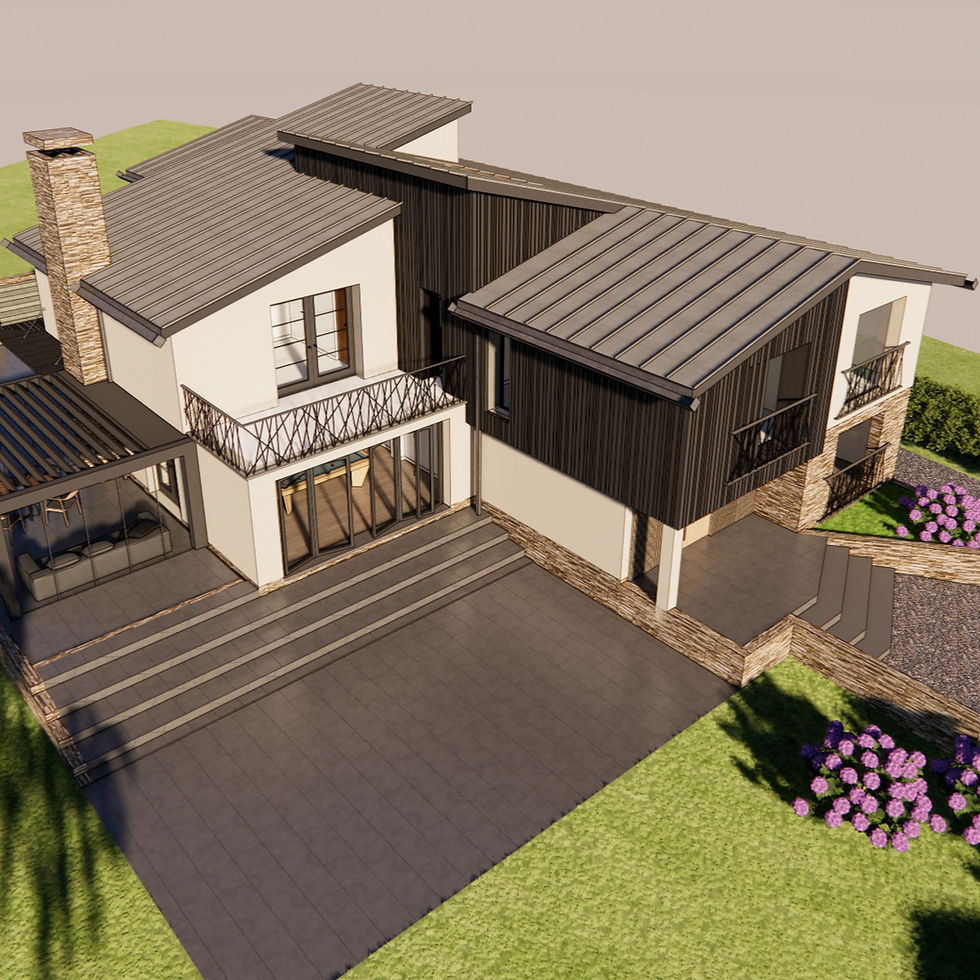
You will be presented with initial design options to review and respond to. This is a collaborative stage — your feedback shapes and refines the emerging design until we arrive at a concept that truly reflects your vision.
Stage 3: Planning Application
Most residential projects require planning permission before work can begin. At this stage, we prepare detailed planning drawings and the necessary supporting documents, and submit a formal application to your local planning authority. We handle all communication with the planning department on your behalf, responding to any queries and, where required, liaising with neighbouring properties.

Planning timescales vary depending on the complexity of the project and your local authority's workload, but most straightforward householder applications are determined within eight weeks. For projects in conservation areas, Areas of Outstanding Natural Beauty, or involving listed buildings, additional considerations and longer timescales may apply.
Stage 4: Technical Design and Building Regulations
Once planning permission has been granted, the design is developed in much greater technical detail. This stage produces the working drawings and specifications that contractors will use to build your project. We coordinate with structural engineers, ensure compliance with Building Regulations, and specify materials and construction methods in detail.

This is also the stage at which we prepare tender documents to obtain competitive quotes from contractors. Obtaining multiple quotes helps ensure you receive value for money and gives you a clear picture of anticipated build costs before work begins on site.
Stage 5: Construction on Site
With a contractor appointed and contracts in place, construction begins. During this stage we carry out regular site visits to monitor progress, ensure the work is being built in accordance with the drawings and specifications, and address any queries that arise on site. Having your architect involved during construction provides an important quality check and ensures that the design intent is realised throughout the build.

We also administer the building contract during this phase, certifying payments to the contractor, managing any changes to the scope of works, and ensuring the project remains on programme and within the agreed budget as far as possible.
Stage 6: Completion and Handover
Practical completion marks the moment your new home or extension is ready to be handed over. At this stage we carry out a thorough inspection of the finished works, compile a snagging list of any minor items that require attention, and ensure all relevant certification — including Building Regulations sign-off — is in order. It is deeply rewarding to see a project reach completion, and to watch our clients enjoy the spaces we have created together.

A defects liability period typically follows practical completion, during which the contractor remains responsible for addressing any issues that emerge in the first few months of occupation. Once this period concludes, the project is formally closed and you are free to enjoy your new home.
Ready to start your architectural journey? Contact Karenna Wilford Architects to discuss your project and take the first step from concept to completion.


Comments