
Why Homeowners Regret Not Hiring an Architect Earlier

Many homeowners begin a renovation or extension by speaking to a builder, collecting ideas online or making decisions room by room. An architect is sometimes brought in only when planning becomes difficult, costs start rising or the proposed layout no longer feels right. By then, some of the most important opportunities may already have been lost. Understanding why hire an architect early can help you avoid compromises and create a home that works as one considered whole.

The Brief Is Often Too Narrow at the Start
Homeowners often start with a solution rather than the underlying problem. They may decide they need a rear extension when the real issue is poor circulation, limited daylight or rooms that no longer suit daily life. One of the main benefits of hiring an architect early is the opportunity to step back and define what the project genuinely needs to achieve before money is committed to a particular design direction.

Early Decisions Shape the Entire Project
The position of doors, windows, stairs, structure and services affects almost every later decision. If these elements are fixed before the wider design has been tested, correcting them can become expensive or impossible. Residential architect advice at the beginning allows different options to be explored while changes are still lines on a drawing rather than alterations on site.

Architect vs Builder: Different Roles, Different Value
The architect vs builder question is not about choosing one instead of the other. A builder brings essential knowledge of construction, sequencing and practical delivery. An architect develops the brief, tests design options, coordinates the wider vision and helps ensure the finished building responds to the site and the people who will use it. The strongest projects usually result from both roles working together at the right stages.
Planning Risks Can Be Identified Earlier
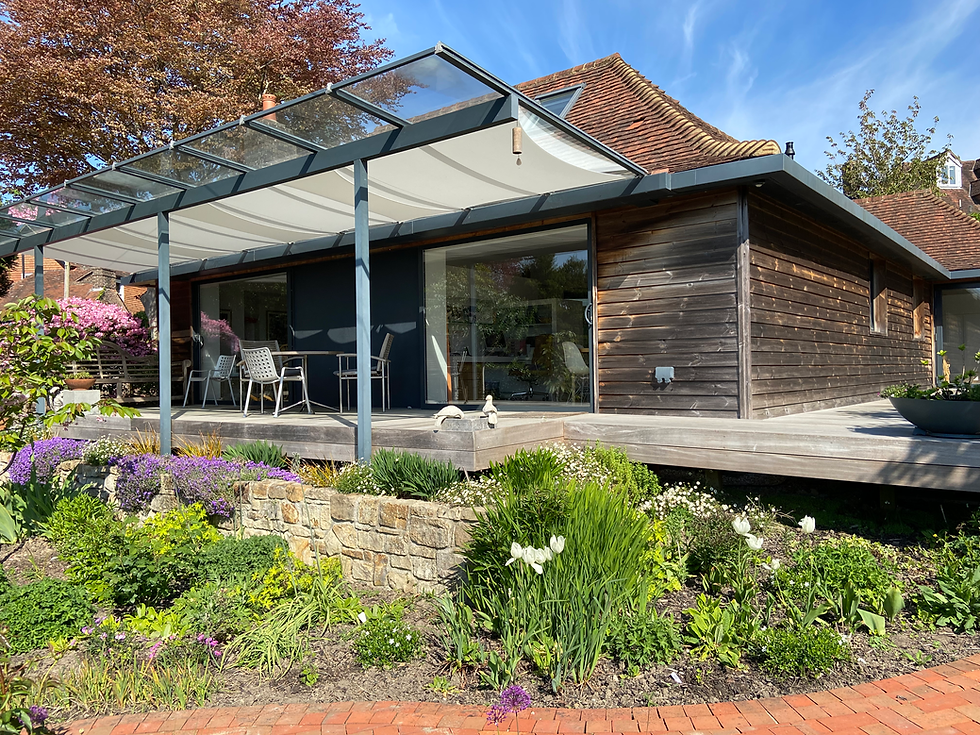
Planning policy, neighbouring properties, heritage considerations, landscape context and local character can all influence what is likely to be supported. Bringing in an architect after a scheme has already been developed may mean redesigning work that could have been directed more effectively from the outset. Early advice can identify constraints, but it can also reveal opportunities that are easy to miss.

Late Design Changes Are Usually the Most Expensive
Changes made during construction can affect labour, materials, structural work and programme. A decision that is simple to adjust during design may become disruptive once foundations are poured or walls are built. This is why the architect's fee should not be viewed only as an additional project cost. Good design development can reduce avoidable changes and help the available budget produce a more valuable result.

An Architect Helps Protect the Budget
A larger home is not automatically a better home. Sometimes reconfiguring the existing layout, improving storage or introducing light in the right place can achieve more than simply adding square metres. An architect can compare these possibilities and help prioritise the elements that will have the greatest effect, giving homeowners a clearer basis for deciding where their budget should be spent.

The Finished Home Feels More Coherent
When an architect joins late, individual choices may already have been made without a shared design language. The result can feel fragmented, with the extension, interior layout and original building competing rather than working together. Early architectural involvement helps connect old and new, inside and outside, practical needs and visual character so the finished home feels intentional rather than pieced together.

When Should You Hire an Architect?
The best time is before the project solution has been fixed. You do not need a finished brief, confirmed layout or complete list of requirements before making contact. An early conversation can help clarify the scope, likely constraints, appropriate next steps and level of architectural service needed. Even if construction is some distance away, early guidance can prevent the project from starting in the wrong direction.

Planning a Renovation, Extension or New Home?
Karenna Wilford Architects provides thoughtful residential architect advice for homeowners planning extensions, renovations and new homes. Early involvement can help you understand the possibilities, define a realistic brief and make informed decisions before committing to construction.

Comments