
The Art of Light: How Natural Daylight Shapes Your Home

Designing With Light in Mind
Light shapes how we experience space. It affects how a room feels in the morning, how comfortable it is throughout the day, and how it transitions into evening. Yet, it is often treated as an afterthought rather than a fundamental part of architectural design.
At Karenna Wilford Architects, natural daylight is considered from the very beginning, influencing layout, orientation and material choices to create homes that feel bright, calm and connected.

1. Window Placement and Orientation Matter
It is not just about having large windows. It is about placing them correctly.
Understanding how the sun moves throughout the day allows architects to position windows for optimal light. South-facing glazing brings consistent daylight, while east-facing windows capture softer morning light and west-facing openings create warm evening tones.
Careful placement ensures rooms feel balanced rather than overexposed or dim.

2. Skylights and Roof lights Without Compromise
When wall space is limited, bringing light in from above can completely transform a space.
Skylights and roof lights are particularly effective in kitchens, extensions, hallways and internal rooms. They are especially useful in urban homes where external wall space is restricted.
Modern glazing technology ensures these features provide excellent insulation while maximising daylight, so performance is not sacrificed for design.
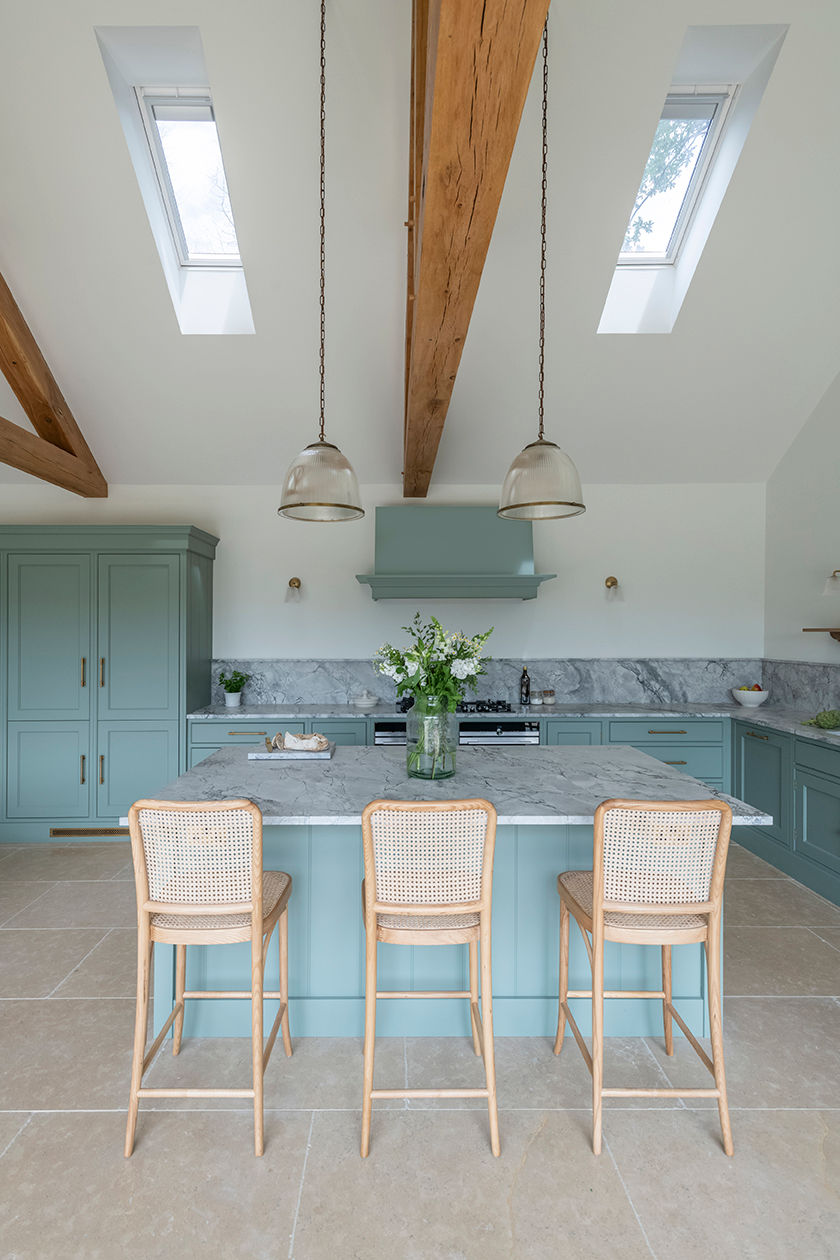
3. Light Layering: Beyond Natural Daylight
Natural light is only part of the story. A well-designed home uses layered lighting to support how spaces are used.
This includes ambient lighting for overall brightness, task lighting for functionality, and accent lighting to highlight architectural features. Together, these layers ensure the home feels comfortable and adaptable from day to night.
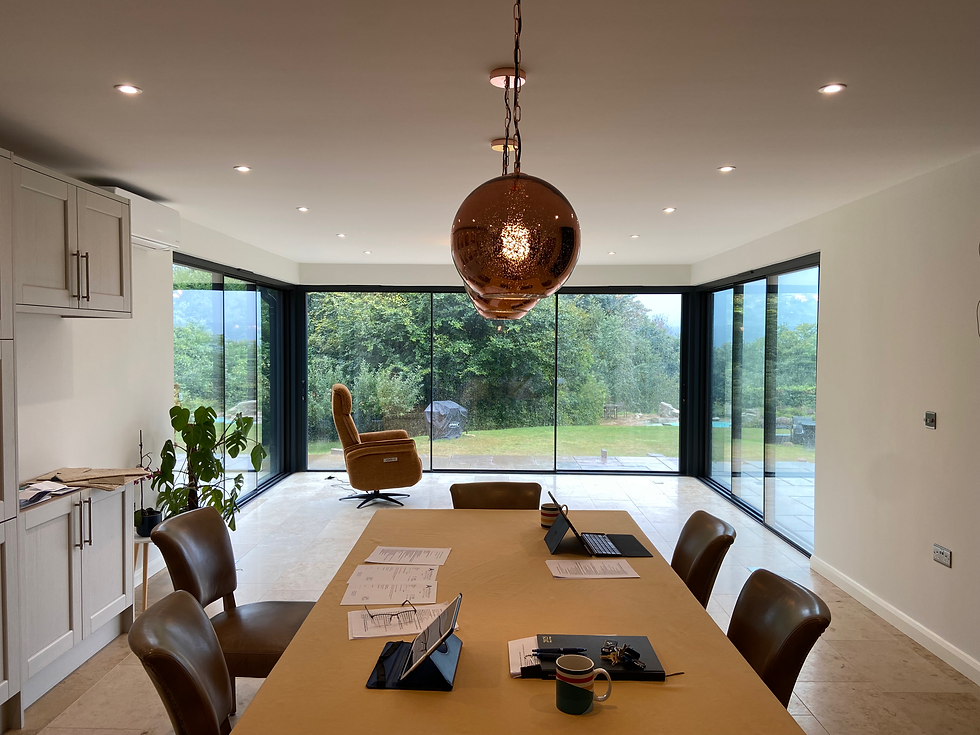
4. Designing for Seasonal Light Changes
In the UK, daylight varies significantly throughout the year. What feels bright and open in summer can feel darker in winter if not carefully considered.
Designing for seasonal change means thinking about window positioning, reflective materials and layouts that allow light to travel deeper into the home. This ensures your home remains comfortable and well lit throughout the year.

5. Light, Mood and the Feeling of Space
Natural light does more than improve visibility. It influences how we feel. Well lit spaces tend to feel more open, more uplifting and better connected to the outdoors. Poorly lit spaces can feel enclosed, regardless of their size.
Designing with light in mind allows homes to feel larger, more welcoming and more enjoyable to live in.

Conclusion: Light as a Design Foundation
Natural light is one of the most valuable elements in any home and one of the most transformative when used well. From window placement to layered lighting, thoughtful design can elevate not just how your home looks, but how it feels every day.
At Karenna Wilford Architects, we design with light at the forefront, creating spaces that are bright, balanced and deeply connected to their surroundings.
Want to Transform Your Home With Better Light?
If you are planning a renovation, extension or new build, understanding how to use natural light effectively can make all the difference.
Contact Karenna Wilford Architects today to arrange an initial consultation and explore how thoughtful lighting design can enhance your home.


Comments