
Balancing Heritage and Modern Living: Renovating Older Homes

Introduction: Respecting the Past While Designing for the Present
Older homes carry a sense of history, craftsmanship and character that cannot be replicated. From original brickwork to timber detailing and traditional layouts, these properties offer something unique.
However, they were not designed for modern living.
At Karenna Wilford Architects, we approach heritage projects with care and clarity, ensuring that any renovation enhances the building while making it practical for today. The goal is not to erase the past, but to build upon it.

1. Understanding the Building Before You Change It
Every successful renovation begins with understanding what makes the property special.
This includes identifying original features, historic materials and the architectural language of the building.
For listed properties, this step is essential, as any changes must respect the building’s character and may require formal consent.
Working with an experienced architect ensures that design decisions are informed, not reactive.
2. Introducing Modern Layouts Thoughtfully
Many period homes have compartmentalised layouts that no longer suit modern lifestyles. Opening up spaces can improve flow and light, but it must be done carefully. Removing walls without considering structure or proportion can disrupt the building’s character.
A more considered approach might involve widening openings, creating visual connections or introducing subtle zoning. This allows the home to feel more open while still retaining its original identity.
3. Choosing Materials That Complement, Not Compete
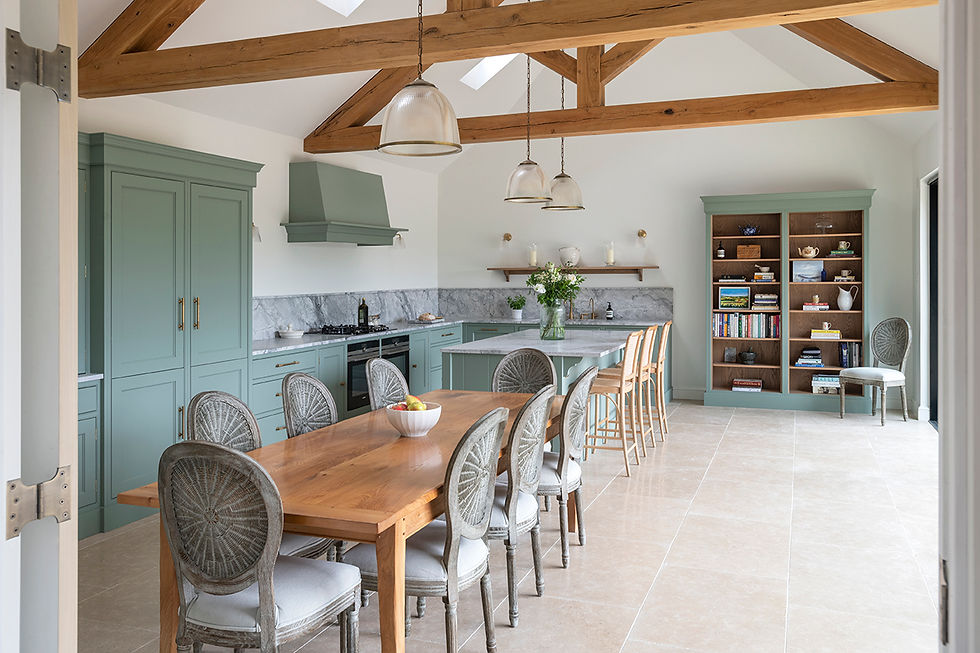
Material selection plays a key role in achieving balance. Rather than trying to replicate original materials exactly, which can feel inauthentic, modern additions often work best when they complement the existing structure.
Natural materials such as timber, stone and metal can sit comfortably alongside traditional elements when used thoughtfully.
This creates a dialogue between old and new, rather than a contrast that feels disconnected.

4. Upgrading Performance Without Losing Character
Older homes often require improvements to insulation, glazing and energy efficiency.
The challenge is to introduce these upgrades without compromising the building’s appearance.
Solutions might include secondary glazing, improved roof insulation or discreet ventilation systems. These changes ensure the home is comfortable and efficient while maintaining its historic integrity.

5. Navigating Planning and Heritage Permissions
Renovating listed buildings or homes in conservation areas involves additional planning considerations.
This may include:
Listed Building Consent
Heritage impact assessments
Material approvals
Ongoing consultation with conservation officers
While this can feel complex, a well-prepared application and clear design strategy can significantly improve the chances of approval.

6. Creating a Home That Feels Cohesive
The most successful heritage renovations feel seamless.
Spaces flow naturally, materials sit comfortably together, and the home feels unified rather than divided between old and new.
This comes from considering the house as a whole, rather than treating the renovation as a series of isolated decisions. When done well, the result is a home that feels both timeless and entirely suited to modern living.
Conclusion: A Thoughtful Balance
Renovating an older home is about balance. It requires respect for history, an understanding of architectural character, and a clear vision for how the space will be used today. With the right approach, it is possible to create a home that honours its past while supporting a contemporary lifestyle.
At Karenna Wilford Architects, we specialise in guiding homeowners through this process, ensuring each project is both sensitive and forward-thinking.
Planning a Renovation for a Period Home?
If you are considering updating a listed or period property, we would be delighted to help you explore the possibilities.
Contact Karenna Wilford Architects today to arrange an initial consultation and begin transforming your home with confidence and care.

Comments